SlimSet Official Website › Ingredients
IngredientsSlimSet Ingredients
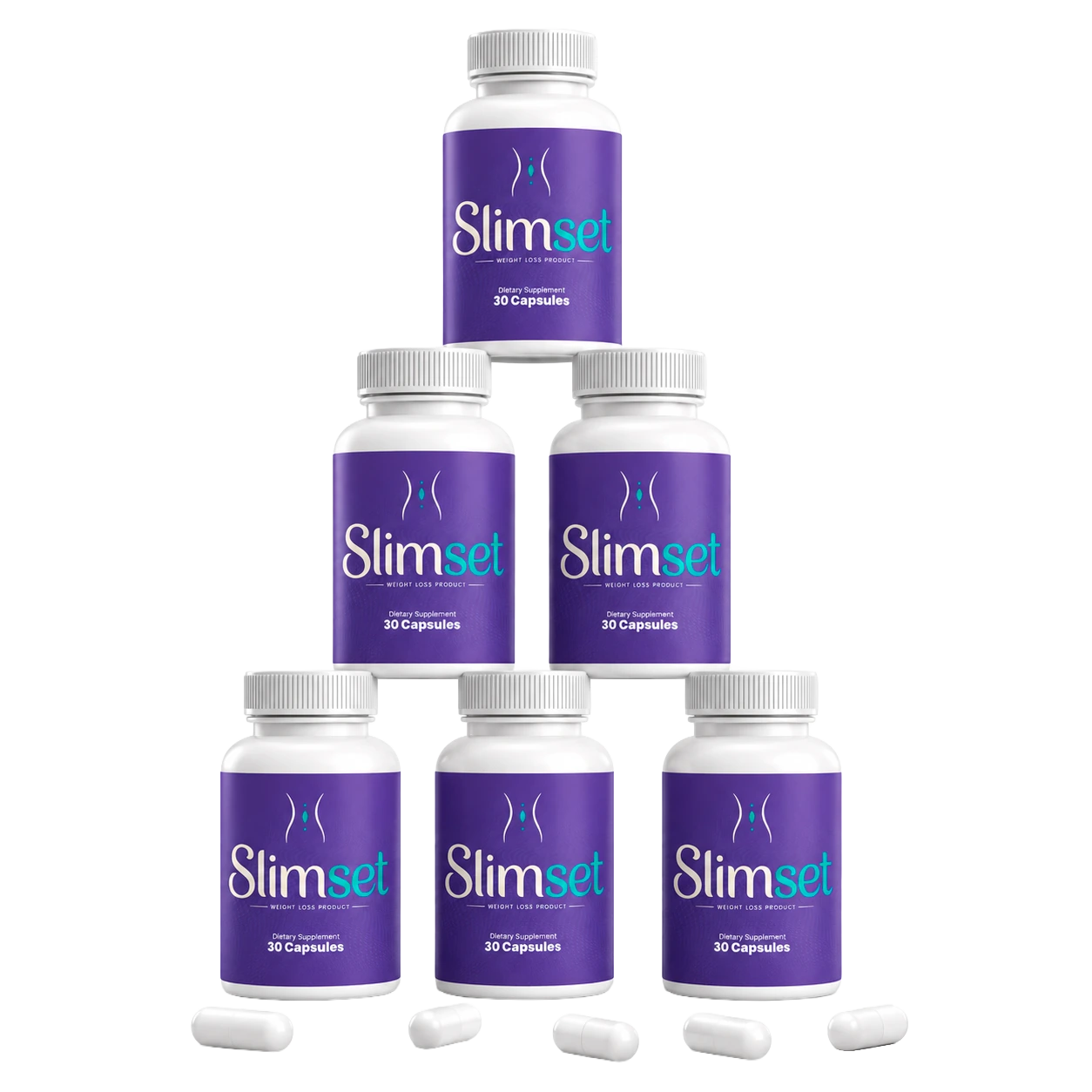
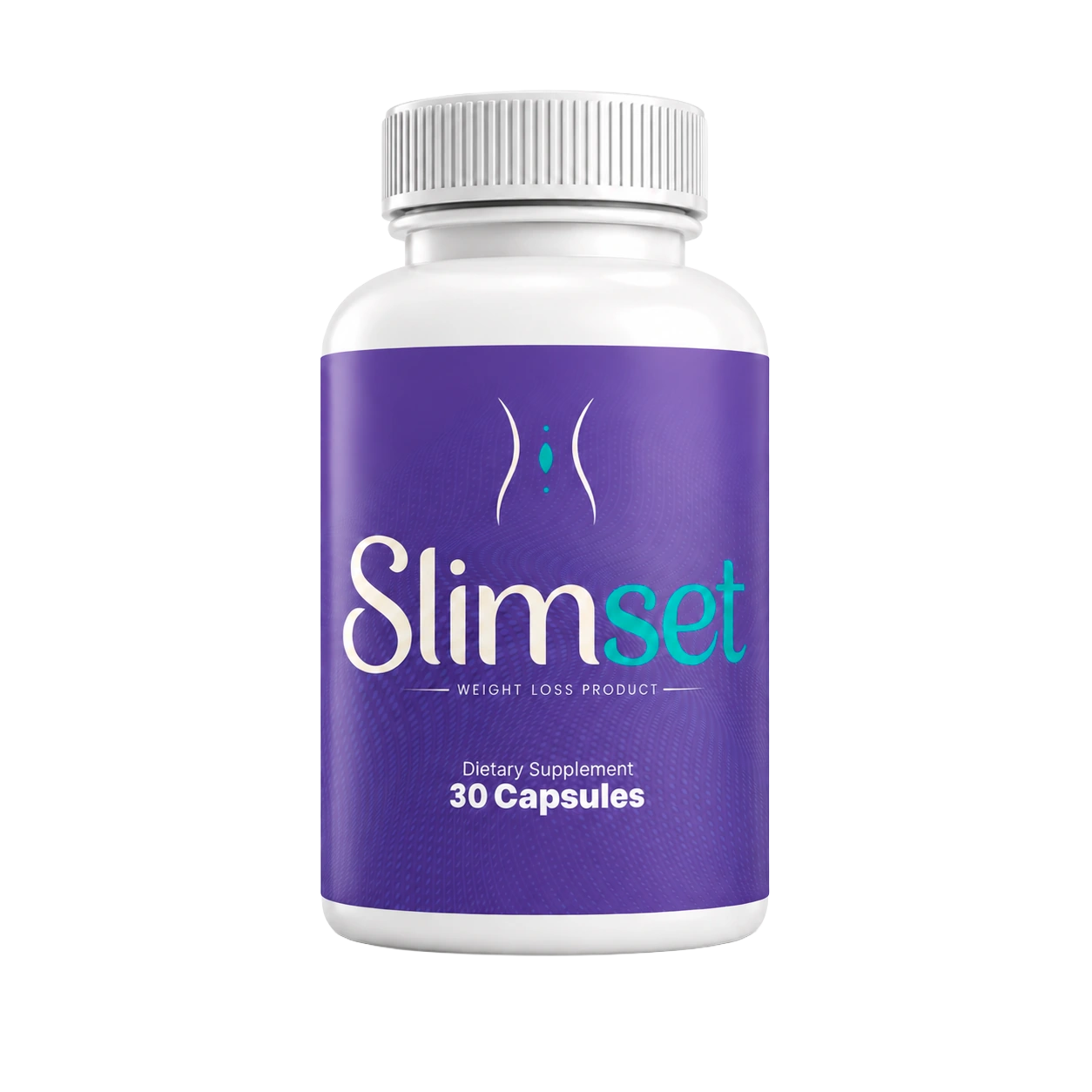
Five actives carry a printed milligram figure on the SlimSet bottle, and none of them hides inside a blend.
Green coffee bean extract, raspberry ketone, garcinia extract and green tea extract sit at 130 mg each; caffeine anhydrous sits at 138 mg. One hypromellose shell holds the lot, and one capsule a day empties a bottle in 30 days.
Every name on the panel, where it comes from, and what its percentage converts to in milligrams.
What is in SlimSet, exactly?
Five rows, five amounts, and one inactive line beneath them.
| Row, as printed on the bottle | Per capsule | % Daily Value |
|---|---|---|
| Green Coffee Bean Extract (Coffea robusta) (seed) (50% chlorogenic acids) | 130 mg | † |
| Raspberry Ketone | 130 mg | † |
| Garcinia Extract (Garcinia cambogia) (fruit) (50% HCA) | 130 mg | † |
| Caffeine Anhydrous | 138 mg | † |
| Green Tea Extract (Camellia sinensis) (leaf) (98% polyphenols, 75% catechins, 45% EGCG, under 3% caffeine) | 130 mg | † |
† Daily Value (DV) not established, printed against all five rows.
Serving size is one capsule and there are 30 in a container, so the column above is both the serving and the daily total. Add the five rows together and a capsule carries 658 mg of declared actives. Other ingredients: Hypromellose (vegetable capsule). Contains Caffeine.
Four botanicals sit at exactly 130 mg each, which is a formulator's decision rather than a coincidence, and caffeine anhydrous sits eight milligrams above them. Nothing on this label is pooled into a blend, so every one of those numbers belongs to a single named ingredient.
The five SlimSet actives, one at a time
Provenance first. The dose comparison has a section of its own further down.
Where each one comes from, what part of the plant is used, and what the printed percentage attached to it is measuring.
Green Coffee Bean Extract
Coffea robusta, seed, 50% chlorogenic acids130 mgCoffee beans that were never roasted. Roasting is what builds the flavour everybody recognises, and it is also what destroys most of the chlorogenic acid the extract industry wants, so this row starts from a bean that has been dried and milled instead of cooked. Robusta rather than arabica is the usual commercial choice because it carries more of the acid to begin with.
The half-and-half standardisation is the useful part. Fifty per cent of 130 mg is roughly 65 mg of chlorogenic acids, which is a figure a reader can carry into the pooled trial evidence instead of guessing. An assay of commercial green coffee extracts found the declared and the measured content do diverge in this trade, which is an argument for buying from a seller who prints a figure at all.
Raspberry Ketone
4-(4-hydroxyphenyl)butan-2-one130 mgThe molecule that gives a ripe red raspberry its smell. Squeezing 130 mg out of fruit would take kilograms of berries, so every commercial gram of it is made in a reactor from precursors, and the compound on this panel is identical whichever route produced it. It is one of the most expensive natural flavour compounds in the world and one of the cheapest synthetic ones.
Its place in this category comes from a structural resemblance to capsaicin and to synephrine, and from cell-culture work on fat cells. The published research is almost entirely rodent, cultured cell and biosynthesis work. What that means for the 130 mg here is set out in the honest section at the foot of this page.
Garcinia Extract
Garcinia cambogia, fruit rind, 50% HCA130 mgA small green Southeast Asian fruit shaped like a pumpkin, used in Kerala and Sri Lanka as a souring agent in fish curries long before anybody put it in a capsule. The part used is the rind, dried and extracted, and the compound of interest is hydroxycitric acid, a close relative of the citric acid in a lemon.
Standardised to 50 per cent HCA, 130 mg of extract carries about 65 mg of the acid. Garcinia is also the single ingredient on this panel with a real safety file behind it rather than a marketing one, and the side effects page gives that file the room it needs.
Caffeine Anhydrous
the dried, water-free powder138 mgAnhydrous is a manufacturing description rather than a different molecule: the water has been driven off so the powder flows, weighs consistently and can be dosed to the milligram. That consistency is genuinely the point. A mug of filter coffee varies with the grind, the roast and how long it stood; a capsule does not.
138 mg is a little more than a strong home-brewed cup and comfortably less than a large takeaway one. It is also the largest single row on this panel, which is a fact worth carrying around: the capsule's most measurable ingredient is the same one that is in a cafetiere. An assay of thermogenic capsules found declared caffeine and measured caffeine parting company often enough to be worth mentioning, which is a point about the trade rather than about this bottle.
Green Tea Extract
Camellia sinensis, leaf, 98% polyphenols, 75% catechins, 45% EGCG, under 3% caffeine130 mgLeaf that was steamed or pan-fired instead of being allowed to oxidise, which is the whole difference between green tea and black tea, then extracted and concentrated. Four separate figures are printed against this one row, which is more characterisation than the other four actives get between them.
Read them in order and they nest inside each other: 98 per cent of the extract is polyphenols, 75 per cent is catechins specifically, and 45 per cent is the single catechin called EGCG. On 130 mg that is roughly 127 mg, 97.5 mg and 58.5 mg. The fourth figure, under three per cent caffeine, is a cap rather than a measurement and it matters for the arithmetic on how to take it.
What do the percentages on the SlimSet label mean?
What a percentage on a supplement panel is actually promising.
A standardisation is a promise about concentration. “50% chlorogenic acids” says that half the weight of that extract is the compound named, so the milligram figure beside it can be halved and you have the compound rather than the powder. Without it, 130 mg of green coffee extract could mean almost anything.
Three of the five rows here carry one. That is the difference between a label that can be checked and a label that has to be believed, and it is the reason this website can do arithmetic at all.
| Compound | How the figure is reached | Per capsule |
|---|---|---|
| Chlorogenic acids | 50% of 130 mg of green coffee extract | about 65 mg |
| Hydroxycitric acid | 50% of 130 mg of garcinia extract | about 65 mg |
| EGCG | 45% of 130 mg of green tea extract | about 58.5 mg |
| Total catechins | 75% of 130 mg of green tea extract | about 97.5 mg |
| Green tea polyphenols | 98% of 130 mg of green tea extract | about 127 mg |
| Caffeine, declared | the caffeine anhydrous row, printed in full | 138 mg |
| Caffeine, undeclared | carried by the green coffee and green tea extracts | under 3.9 mg from the tea; the coffee figure is not published |
Multiplication only. Every input is a number the bottle prints.
Two rows have no standardisation to carry through. Raspberry ketone is a single compound rather than an extract, so 130 mg of it is 130 mg of it and there is nothing to convert. Caffeine anhydrous is the same case: the row is the compound.
The last line in that table is the one that will not resolve. Green tea at under three per cent caffeine caps its own contribution at about 3.9 mg, but green coffee extract carries caffeine too and the seller gives no percentage for it. So a capsule delivers somewhat more than 138 mg of caffeine and nobody has said how much more. How to take it works out what to do about that.
What else is in a SlimSet capsule?
One entry under the panel, and three things that are absent by design.
Hypromellose, the shell
Hydroxypropyl methylcellulose, made from plant cellulose, and the whole of the “other ingredients” line. It is the vegetarian alternative to a gelatin capsule, it dissolves in the stomach within minutes, and it is inert. Buyers who avoid animal products can take this capsule; the label does not carry a vegan certification mark and this desk does not add one.
No filler, no flow agent, no colour
Most capsules of this size carry rice flour or magnesium stearate to make the fill weight consistent on a high-speed line. This one lists neither. At 658 mg the actives fill the shell on their own, which is a plausible reason for a short list rather than a suspicious one.
No proprietary blend
A blend pools several ingredients under one total, so a buyer learns the total and nothing else. There is no blend anywhere on this panel. Each row stands alone with its own figure, which is the single most useful structural fact about this label.
Allergen lines
The bottle carries no milk, soy, wheat, egg, fish or tree-nut statement, and none of the six ingredients above is derived from those foods. It does carry “Contains Caffeine”, which is the one sensitivity statement this formula genuinely needs.
Honest label analysis: the thin parts of the SlimSet panel
Four judgements about the list, collected in one place.
Everything above is what the bottle prints and it is all verifiable. This section is the judgement, and it is kept here rather than sprinkled through the rest of the page.
Four botanicals at an identical 130 mg is a formulation decision, not a dose
Green coffee, raspberry ketone, garcinia and green tea have four different research literatures with four different effective amounts, and none of those amounts is 130 mg. A panel where four unrelated ingredients weigh exactly the same is telling you about the capsule's total fill rather than about each ingredient's evidence.
The caffeine is the formula's centre of gravity
It is the largest row, the only compound here that any trial used at a comparable amount, and the only one with an effect a buyer will notice on day one. A fair description of this bottle names the caffeine first and the botanicals second, and most descriptions of it do the reverse.
Raspberry ketone has no human number to be compared with
Not a low number, not a high one. The single human trial containing it tested a multi-ingredient product where its own contribution cannot be separated, so 130 mg is a quantity without a reference point. That is a different problem from being underdosed and it is worth saying precisely.
Nobody has tested this capsule as a capsule
Every figure cited anywhere on this website belongs to an ingredient studied on its own or alongside a diet protocol. There is no trial of the finished five-ingredient product, which is normal for this category and is still worth a buyer knowing before the six-bottle order rather than after it.
It prints five amounts, three standardisations and a caffeine declaration, and it pools nothing. A reader can work out what a capsule delivers to within a milligram. A great many bottles in this aisle do not allow that, and the criticisms above are only possible because this one does.
SlimSet ingredient questions
How many ingredients are in SlimSet?
5 actives, each with its own printed amount, and one inactive line: hypromellose (vegetable capsule). Six entries in total on the bottle.
Is there a proprietary blend?
No. Every active has its own row and its own milligram figure. That is what makes the arithmetic on this page possible.
Which ingredient is present in the largest amount?
Caffeine anhydrous at 138 mg. The four botanicals are each at 130 mg, eight milligrams below it.
How much EGCG does one capsule contain?
About 58.5 mg. The green tea row is 130 mg standardised to 45 per cent EGCG, so the conversion is 130 multiplied by 0.45.
Is the raspberry ketone from real raspberries?
At this scale it is made synthetically, as essentially all commercial raspberry ketone is. The molecule is the same one the fruit produces; extracting 130 mg from fruit would need several kilograms of berries.
Is SlimSet vegetarian?
The shell is hypromellose, which is plant-derived, and it is the only inactive ingredient. Nothing else in the bottle comes from an animal source. The label prints no vegetarian or vegan certification mark, and testing and quality audits what the marks on this pack do support.
Does it contain any hidden caffeine?
Not hidden, but not totalled either. The 138 mg row is caffeine added as anhydrous powder. Green tea extract is capped at under three per cent caffeine, about 3.9 mg, and green coffee extract carries some that the seller gives no percentage for. The honest figure is “138 mg plus a small unquantified amount”.
Sources for the SlimSet ingredient list
The papers named above, in the order the panel prints the row each one belongs to.
- Kanchanasurakit S, Saokaew S, Phisalprapa P, et al. Chlorogenic acid in green bean coffee on body weight: a systematic review and meta-analysis of randomized controlled trials. Syst Rev. 2023;12(1):163. PMID 37710316. https://pubmed.ncbi.nlm.nih.gov/37710316/
- Vinson JA, Chen X, Garver DD. Determination of total chlorogenic acids in commercial green coffee extracts. J Med Food. 2019;22(3):314-320. PMID 30888913. https://pubmed.ncbi.nlm.nih.gov/30888913/
- Li X, Wei T, Wu M, et al. Potential metabolic activities of raspberry ketone. J Food Biochem. 2022;46(1):e14018. PMID 34913499. https://pubmed.ncbi.nlm.nih.gov/34913499/
- Arent SM, Walker AJ, Pellegrino JK, et al. The combined effects of exercise, diet, and a multi-ingredient dietary supplement on body composition and adipokine changes in overweight adults. J Am Coll Nutr. 2018;37(2):111-120. PMID 29111889. https://pubmed.ncbi.nlm.nih.gov/29111889/
- Longhi GS, Crocoli LC, Armando YP, et al. Too much or too little caffeine? Determination of content in thermogenic capsules by quantitative 1H nuclear magnetic resonance (qNMR). J Pharm Biomed Anal. 2025;261:116832. PMID 40179616. https://pubmed.ncbi.nlm.nih.gov/40179616/
- SlimSet product label artwork, supplied in the vendor asset pack. Serving size one capsule, 30 per container. Distributed by Slimset, PO Box 12730, Ogden, UT 84412.
Order SlimSet with all five amounts in front of you
Five actives, five printed figures, 30 capsules a bottle and 60 days from purchase to change your mind.
One bottle $89 · six bottles $294 · 60-day money-back guarantee
Order SlimSet On The Official WebsiteOne capsule a day · 30 per bottle · lot SLI-26/MY-3272