SlimSet Official Website › Blog › Garcinia And Green Tea Taken Together
Garcinia And Green Tea Taken Together
A national liver injury network adjudicated twenty-two cases to garcinia cambogia with high confidence. Sixteen of them involved garcinia combined with green tea. That specific pairing is on an enormous number of labels in this category, including this one, and it is worth understanding properly rather than being frightened by.
Two arguments, not one
There are two completely separate conversations about garcinia cambogia and almost every page on the internet runs them together. The first is whether it does anything. The second is whether it is safe. They have different evidence bases and mixing them produces nonsense in both directions.
This article is about the second one. The efficacy question is covered in the category guide, and the short version is that the largest trial gave 1,500 mg of hydroxycitric acid a day for twelve weeks and found nothing beyond placebo.
Keeping them apart matters because the two arguments pull in opposite directions in a way people find confusing. An ingredient can be both ineffective at the doses tested and capable of harm in a small number of users. Those statements are not in tension. They are about different things.
What the network series found
The Drug-Induced Liver Injury Network is a prospective American study that enrols patients with suspected liver injury and adjudicates causality case by case. Its garcinia analysis is the most careful document in this area, and the numbers are worth reading exactly rather than in summary.
| What the series reports | The figure |
|---|---|
| Patients enrolled in the network series | 1,418 |
| Cases adjudicated to garcinia with high confidence | 22 |
| Of those, garcinia combined with green tea | 16 |
| Of those, garcinia alone | 5 |
| Onset after starting | 13 to 223 days, median 51 |
| Hospitalised | 91% |
| Received a liver transplant | 1 patient |
| Died | 1 patient |
Read from the published series. The first row is the denominator, and it is the row most often left out when these numbers are quoted.
Twenty-two cases adjudicated with high confidence. Five were garcinia on its own. Sixteen were garcinia combined with green tea. Onset ranged from under a fortnight to over seven months, with a median of about seven weeks. Ninety-one per cent were hospitalised, one patient received a transplant and one died.
A separate case series and literature review and a 2019 case report describe the same pattern in individual patients. A transplant case report documents the most severe end of it. A 2025 review of the hepatotoxicity evidence pulls the record together and is the best single entry point if you want to read further.
Against that, a safety and efficacy review concluded that garcinia at the doses usually studied is generally tolerated. Both things are in the literature and both belong in an honest article.
The denominator nobody quotes
Twenty-two cases out of 1,418 enrolled patients is the figure as published, and it is routinely quoted without the second number. That is misleading in a specific direction, so it is worth being careful.
The 1,418 is the enrolment of the network's series, not the number of people who took garcinia. Millions of bottles of this ingredient are sold every year, and the network sees the patients who reached a participating centre with liver injury serious enough to be investigated. A rate cannot be computed from this, in either direction.
What the series does establish is a pattern rather than a rate: that these cases exist, that they were adjudicated carefully, that most required hospital care, and that the great majority involved one particular combination.
It is not saying that a person taking this capsule will develop liver injury. It is not saying the risk is quantified, because it is not. It is saying that a documented pattern exists, that the pattern is specific to a combination this bottle contains, and that knowing the warning signs costs nothing.
Why the green tea half matters
Green tea extract has its own file, independent of garcinia. The United States Pharmacopeia expert panel conducted a comprehensive review of the hepatotoxicity evidence for green tea extract and set out the conditions under which case reports cluster. The range it describes runs from roughly 140 mg to about 1,000 mg of EGCG a day.
One clinical trial of a purified green tea preparation was stopped early after liver signals appeared at a high dose, which is the strongest single piece of evidence in the green tea file because it came from a controlled setting rather than from spontaneous reports.
This label carries about 58.5 mg of EGCG a capsule, below the bottom of the USP range. That is the genuinely reassuring fact in this article and it deserves to be stated plainly rather than buried. What it does not do is address the combination, because the network series adjudicated its sixteen cases to garcinia plus green tea rather than to a dose of either.
| This panel | What the record says | |
|---|---|---|
| Garcinia extract | 130 mg at 50% HCA, about 65 mg of hydroxycitric acid a day | Case onsets are not neatly dose-related, so a smaller amount is not demonstrably safer |
| Green tea extract | 130 mg at 45% EGCG, about 58.5 mg of EGCG a day | The USP panel places case-report hepatotoxicity between roughly 140 mg and 1,000 mg of EGCG a day, above this figure |
| Taken together | Both in the same capsule, every day | The specific combination behind sixteen of the twenty-two adjudicated cases |
| Directed timing | 20 to 30 minutes before a meal | A fasted bolus raises catechin absorption, per the same USP review |
| Seller’s suggested duration | 60 to 90 days of continuous use | Inside the 13 to 223 day onset window the series describes |
Left column read from the label artwork. Right column read from the published record. Neither column predicts what will happen to a particular person.
The fasted-stomach detail
One more finding from the same USP review is worth carrying, because it concerns timing rather than amount. A bolus of green tea extract taken on an empty stomach produces sharply higher catechin absorption than the same amount taken with food. Peak plasma concentration rises substantially.
This label directs the capsule 20 to 30 minutes before a meal with a full glass of water, which is the fasted condition. That instruction exists for reasons that have nothing to do with the liver, and the interaction is worth naming once.
At 58.5 mg of EGCG it is a note rather than a warning, and this is precisely why the absolute amount matters. A product carrying 300 mg of EGCG and directing it fasted would be a different conversation. Anyone who would rather not have the interaction at all can take the capsule with the meal instead of before it, which changes the catechin absorption and very little else.
What to actually watch for
Liver injury from a supplement is uncommon and it announces itself in a recognisable way. Four signs are worth knowing, and knowing them costs nothing.
- Dark urine, the colour of strong tea, persisting rather than after one hot day.
- Yellowing of the whites of the eyes or of the skin.
- Persistent pain or tenderness under the right ribs.
- Unusual tiredness, loss of appetite or nausea that carries on for days.
- Pale stools, which often appear alongside the dark urine.
- Itching without a rash, which is easy to dismiss and worth mentioning.
The action is the same for all of them: stop taking the capsule and get assessed. Onset in the network series ran from 13 to 223 days, so the first month is not a clearance certificate. The seller suggests 60 to 90 days of continuous use and sells a 180-day pack, and both of those sit inside the documented onset window.
Anyone who already has a liver condition, drinks heavily, or takes a medicine known to affect the liver is in a different position from a healthy adult, and that is a question about them rather than about the bottle.
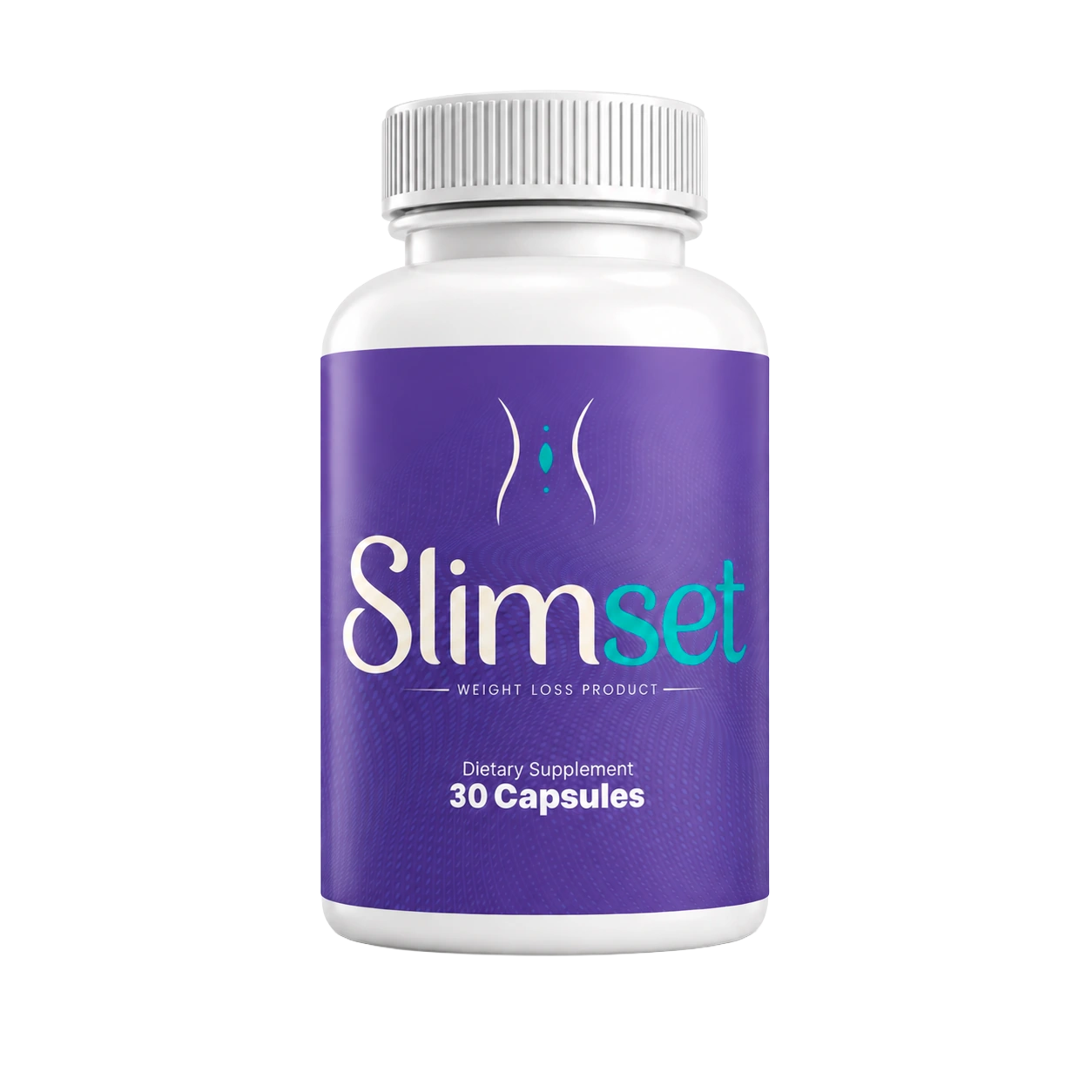
Read the SlimSet safety page before the first capsule
The caffeine load, the blood pressure question and this liver file are all set out in one place, with the published sources attached and nothing hidden in a footnote.
One bottle $89 · six bottles $294 · 60-day money-back guarantee
Order SlimSet On The Official WebsiteOne capsule a day · 30 per bottle · lot SLI-26/MY-3272
Making sense of it
Five statements can be held together without contradiction, and holding them together is the whole point of an article like this.
- A documented series adjudicated twenty-two cases to garcinia, sixteen of them combined with green tea.
- No rate can be computed from that series, and the denominator is an enrolment figure rather than a user population.
- This label’s EGCG amount sits below the range the USP review associates with case reports.
- The combination, not the dose of either ingredient, is what the sixteen cases have in common.
- The four warning signs are easy to recognise and the correct action is the same for all of them.
None of that is a reason to be frightened of a capsule, and none of it is a reason to pretend the file does not exist. It is a reason to know what to look for, to take the warning signs seriously if they appear, and to treat the seller's suggestion of continuous use as a commercial recommendation rather than a medical one.
The 60-day window is genuinely useful here for a reason that has nothing to do with results. It means stopping is cheap.
References
- Vuppalanchi R, Bonkovsky HL, Ahmad J, et al. Garcinia cambogia, either alone or in combination with green tea, causes moderate to severe liver injury. Clin Gastroenterol Hepatol. 2022;20(6):e1416-e1425. PMID 34400337. https://pubmed.ncbi.nlm.nih.gov/34400337/
- Crescioli G, Lombardi N, Bettiol A, et al. Acute liver injury following Garcinia cambogia weight-loss supplementation: case series and literature review. Intern Emerg Med. 2018;13(6):857-872. PMID 29802521. https://pubmed.ncbi.nlm.nih.gov/29802521/
- Lunsford KE, Bodzin AS, Reino DC, et al. Dangerous dietary supplements: Garcinia cambogia-associated hepatic failure requiring transplantation. World J Gastroenterol. 2016;22(45):10071-10076. PMID 28018115. https://pubmed.ncbi.nlm.nih.gov/28018115/
- van Breemen RB, Roe AL, Akhtar N. Hepatotoxicity of dietary supplements containing Garcinia gummi-gutta (L.) N. Robson. Pharm Biol. 2025;63(1):912-924. PMID 41262061. https://pubmed.ncbi.nlm.nih.gov/41262061/
- Yousaf MN, Chaudhary FS, Hodanazari SM, et al. Hepatotoxicity associated with Garcinia cambogia: a case report. World J Hepatol. 2019;11(11):735-742. PMID 31772720. https://pubmed.ncbi.nlm.nih.gov/31772720/
- Marquez F, Babio N, Bullo M, et al. Evaluation of the safety and efficacy of hydroxycitric acid or Garcinia cambogia extracts in humans. Crit Rev Food Sci Nutr. 2012;52(7):585-94. PMID 22530711. https://pubmed.ncbi.nlm.nih.gov/22530711/
- Oketch-Rabah HA, Roe AL, Rider CV, et al. United States Pharmacopeia (USP) comprehensive review of the hepatotoxicity of green tea extracts. Toxicol Rep. 2020;7:386-402. PMID 32140423. https://pubmed.ncbi.nlm.nih.gov/32140423/
- Lovera J, Ramos A, Devier D, et al. Polyphenon E, non-futile at neuroprotection in multiple sclerosis but unpredictably hepatotoxic: phase I single group and phase II randomized placebo-controlled studies. J Neurol Sci. 2015;358(1-2):46-52. PMID 26298797. https://pubmed.ncbi.nlm.nih.gov/26298797/
- SlimSet product label artwork, supplied in the vendor asset pack. Serving size one capsule, 30 per container. Distributed by Slimset, PO Box 12730, Ogden, UT 84412.