SlimSet Official Website › Blog › Raspberry Ketone Has No Human Trial
Raspberry Ketone Has No Human Trial
It is one of the most recognisable ingredient names in this category and almost nobody who buys it knows what its research record contains. The answer is rodents, cell cultures, one multi-ingredient study and a single case report. There is no human trial of raspberry ketone alone at any dose.
What it actually is
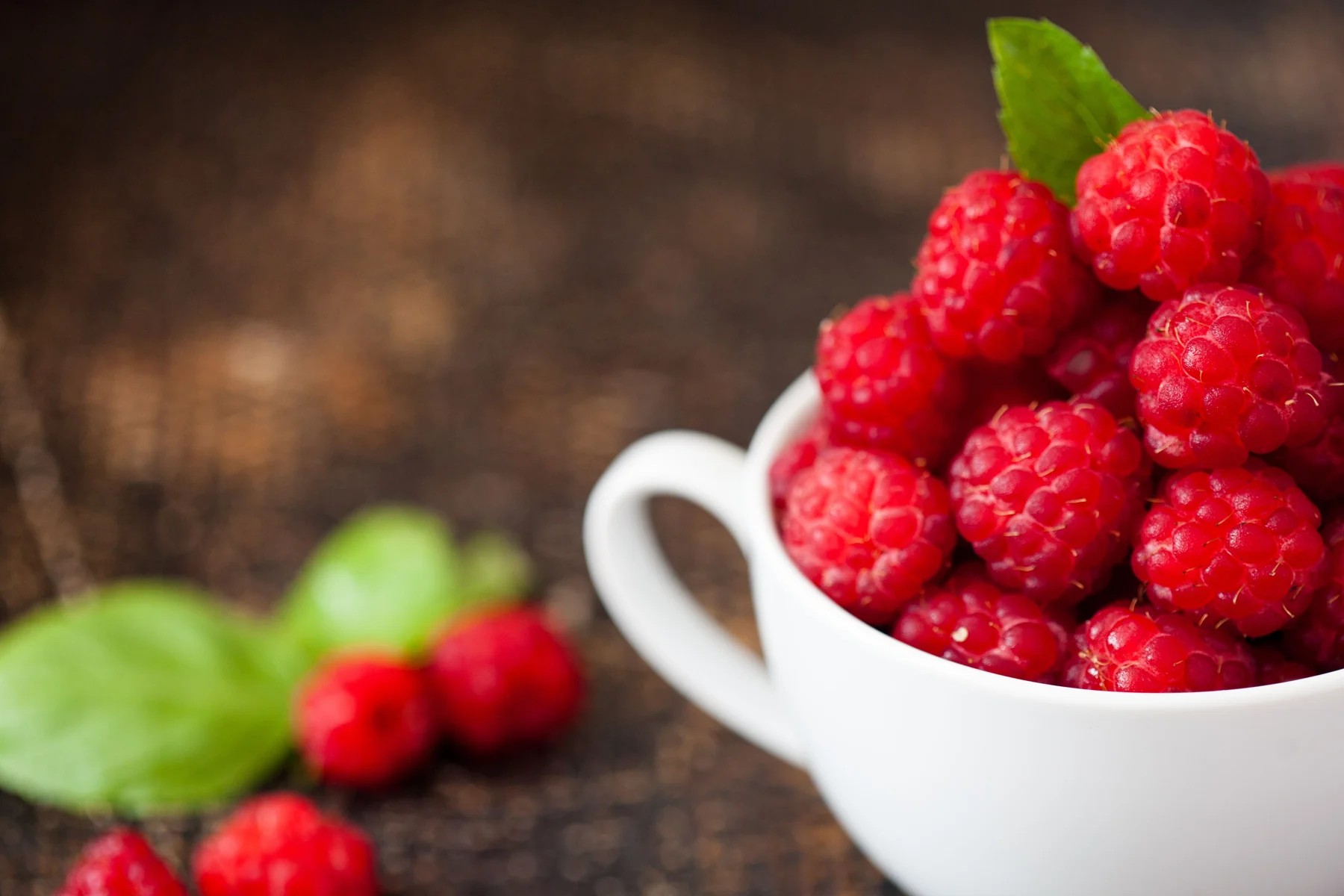
Raspberry ketone is the compound responsible for the smell of raspberries. It has been used as a flavouring for a very long time, it appears in perfumery, and at food levels it is entirely unremarkable. Almost all of the raspberry ketone in the world is produced synthetically, because extracting it from fruit is extraordinarily inefficient.
It became a supplement ingredient after television coverage in the early 2010s, and demand arrived faster than evidence. That sequence matters, because the marketing vocabulary that grew up around it was built from laboratory findings rather than from trials.
A 2022 review of its potential metabolic activities describes the record honestly: work on lipolysis in cultured adipocytes, effects on adiponectin, rodent feeding studies and biosynthesis papers. That is the field.
The whole research record, in one table
| Kind of study | What exists for raspberry ketone | What it can support |
|---|---|---|
| Human randomised trial of raspberry ketone alone | None found | Nothing, because none exists |
| Human trial of a product containing it | One multi-ingredient study, alongside exercise and diet | Nothing about this ingredient specifically |
| Rodent feeding studies | A controlled study in mice and others | A hypothesis worth testing in people |
| Cell culture work | Adipocyte studies on lipolysis and adiponectin | A proposed mechanism, nothing more |
| Case reports | One cardiology case report | A question, not an answer |
| Reviews of the field | A 2022 review | An accurate description of how little there is |
Six rows describing an entire research record. The first row is the one that decides what a label may honestly imply.
A search of the literature for raspberry ketone returns a substantial number of records, which is why the claim that nothing exists surprises people. The records are real. They are just not human trials of the compound as a supplement.
Biosynthesis papers, for instance, are about producing the compound efficiently. They are excellent chemistry and they say nothing whatever about what it does to a person. Fruit-fly attractant studies exist too. A citation count is not an evidence base.
The mouse study that is usually cited
A controlled feeding study in mice is the most informative animal work in this area, and it is informative in a direction the marketing does not use. It found that raspberry ketone failed to reduce adiposity beyond the effect of decreasing food intake.
That distinction is the one to hold. If an animal eats less and becomes leaner, the leanness is explained by the reduced intake rather than by a metabolic effect of the compound. A properly controlled study separates those, and this one did.
Rodent studies in this field also tend to use doses that do not translate. A milligram per kilogram figure in a mouse does not scale simply to a human capsule, and where the rodent doses are high relative to body weight, the gap to a 130 mg capsule is enormous.
- Cell culture shows a compound can do something in a dish.
- Rodent work shows it can do something in an animal, at a dose that may not translate.
- A human trial shows what happens in people at a stated dose.
- Only the third of those can support a statement about a capsule.
- Raspberry ketone has the first two and not the third.
The one human study that contains it
One human trial contains raspberry ketone, and it tested a multi-ingredient product alongside an exercise and diet programme. Results from a design like that cannot be attributed to any single component, and the authors were not trying to do so.
This is an extremely common shape in supplement research and it is worth recognising on sight. A product containing eight ingredients, tested against no product, alongside a training programme, produces a result about the whole package. Marketing copy then quotes it under whichever ingredient is being sold that week.
The honest reading is that this study tells you something about that product in that programme, and nothing at all about 130 mg of raspberry ketone in a different capsule.
See which SlimSet rows can be checked and which cannot
Four of the five actives on this panel can be set beside a published human dose. The fifth cannot, and the supplement facts page says so in the same table rather than in a footnote.
One bottle $89 · six bottles $294 · 60-day money-back guarantee
Order SlimSet On The Official WebsiteOne capsule a day · 30 per bottle · lot SLI-26/MY-3272
The case report
A cardiology case report raised a question about coronary vasospasm in a person using a raspberry ketone product. A single case report is a question rather than an answer, and it is reported here for the same reason the absent trials are: leaving it out would be a choice about what a reader is allowed to know.
A systematic review of adverse events across herbal products is the broader context. Products in this category have produced documented harm, which is an argument for reading labels carefully rather than for avoiding the category.
Nothing in the record suggests raspberry ketone at supplement amounts is dangerous. Nothing in the record establishes that it is not, either, because the trials that would settle it have not been run.
Why an untested ingredient reaches a label
If nothing supports it, the obvious question is why a formulator includes it at all, and the answer has nothing to do with evidence. It is recognition. Raspberry ketone is one of the few ingredient names in this category that a shopper has heard of, and a name on a panel does commercial work whether or not the compound does anything.
There is a second reason and it is more defensible: it is cheap, it is safe as a food flavouring at far higher exposures than a capsule provides, and it has a long regulatory history in that role. An ingredient that is inexpensive and unlikely to cause trouble is an easy addition to a formula, and the space it occupies is small.
The cost is real even so, and it is measured in milligrams rather than dollars. A capsule holds a finite amount of powder. The 130 mg occupied by raspberry ketone on this panel is 130 mg that is not green tea extract, and the green tea row is the one with a measured effect behind it at a dose this label does not reach.
- Raspberry ketone is a recognisable name that a shopper may look for.
- It is inexpensive and has a long history as a food flavouring.
- It occupies 130 mg of a capsule that has a fixed amount of space.
- That space is not being used by an ingredient with a human dose behind it.
- A buyer can see the whole trade, because the panel prints every amount.
How to think about an absence
An absence of evidence is not evidence of absence, and it is also not a licence to assume whatever is convenient. The useful framing is about what a claim can rest on.
A seller may say a product contains 130 mg of raspberry ketone, because that is a manufacturing statement. A seller may not honestly imply that the 130 mg does something in a person, because no study of any dose in a person supports it. The gap between those two sentences is where most of this ingredient's marketing lives.
For a buyer, the practical consequence is modest. An ingredient with no human evidence is an ingredient you should not be paying extra for and should not be expecting anything from. It is not a reason to reject a formula that contains it, provided nothing else in the formula is being oversold on the same basis.
What this means for a panel row
| Panel row | Amount | Is there a human dose to compare it with? |
|---|---|---|
| Green coffee bean extract | 130 mg at 50% CGA | Yes: 500 mg a day of chlorogenic acids |
| Garcinia extract | 130 mg at 50% HCA | Yes: 1,500 mg a day of hydroxycitric acid |
| Green tea extract | 130 mg at 45% EGCG | Yes: 270 mg a day of EGCG |
| Caffeine anhydrous | 138 mg | Yes: 150 mg a day, as a comparator arm |
| Raspberry ketone | 130 mg | No. No human trial at any dose |
Four of the five rows can be set beside a published human dose. The fifth cannot, and that is a different kind of gap from being underdosed.
That table is the clearest way to see it. Four rows on this label can be set beside a published human dose, and the comparison is unflattering in three of them and neutral in the fourth. The fifth row cannot be compared at all.
It is also worth noticing what the table does not do, which is rank the rows by how likely they are to work. A comparison with a trial dose is a statement about what the published evidence can predict, and an ingredient with no trial has simply removed itself from that conversation rather than lost it.
Those are two different kinds of problem and they deserve different responses. An underdosed ingredient has a known target it falls short of. An untested ingredient has no target, which means nobody, including the formulator, can say whether 130 mg is a sensible amount or an arbitrary one.
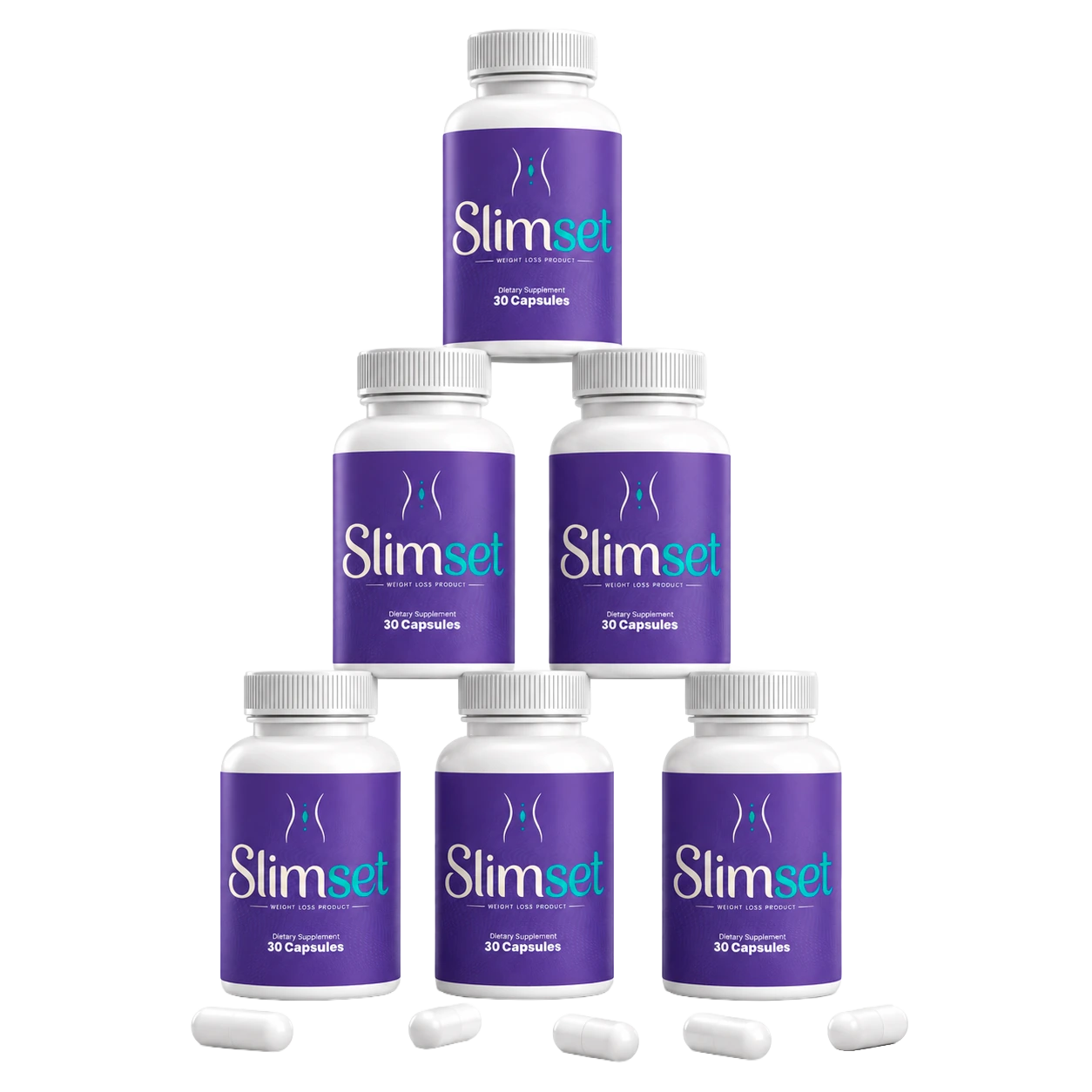
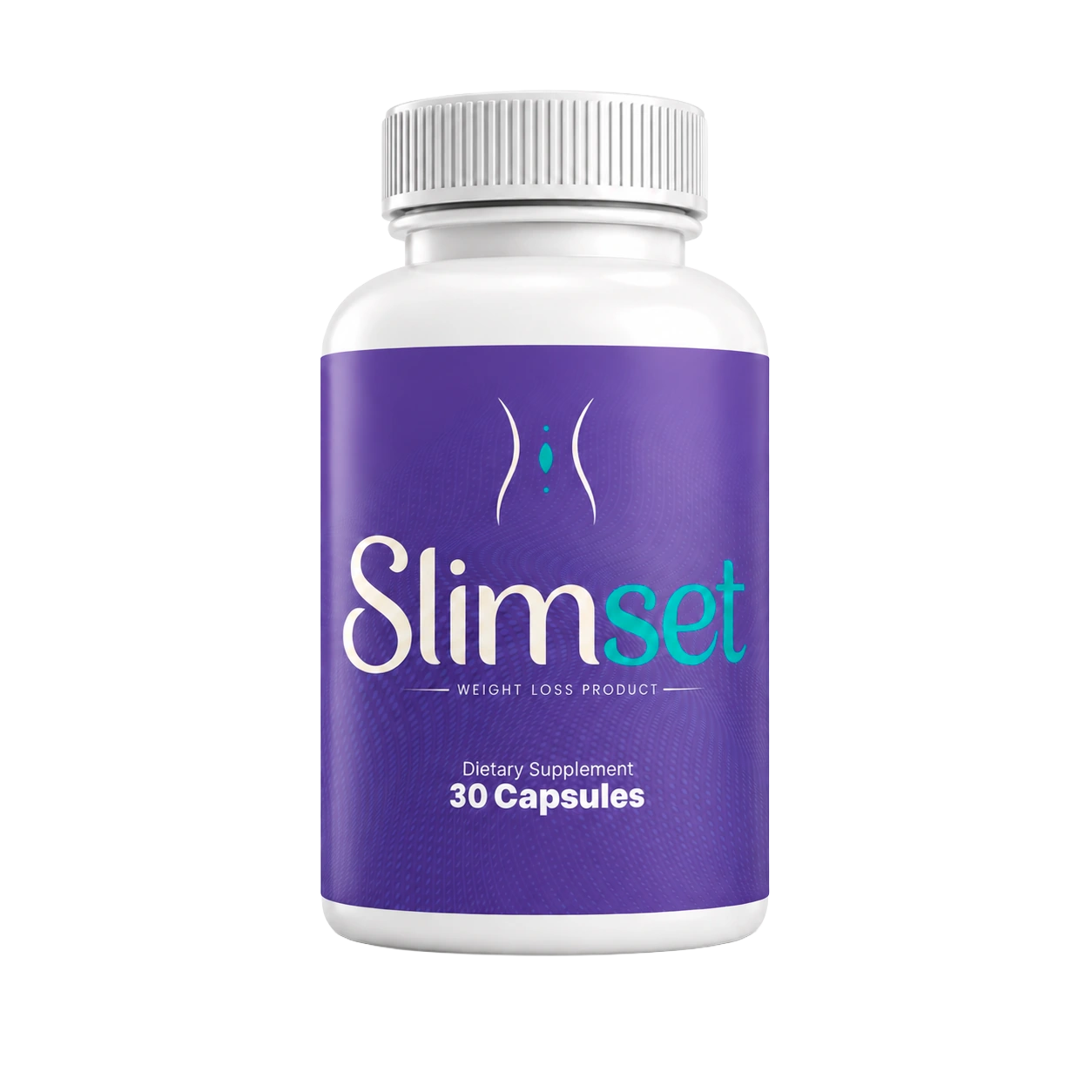
It is worth ending on what the label itself claims, which is very little: “Weight Loss Product” and “Dietary Supplement”. A bottle making a modest claim and containing an ingredient with no human trial is in a considerably better position than one making a large claim on the same evidence.
References
- Li X, Wei T, Wu M, et al. Potential metabolic activities of raspberry ketone. J Food Biochem. 2022;46(1):e14018. PMID 34913499. https://pubmed.ncbi.nlm.nih.gov/34913499/
- Cotten BM, Diamond SA, Banh T, et al. Raspberry ketone fails to reduce adiposity beyond decreasing food intake in C57BL/6 mice fed a high-fat diet. Food Funct. 2017;8(4):1512-1518. PMID 28378858. https://pubmed.ncbi.nlm.nih.gov/28378858/
- Arent SM, Walker AJ, Pellegrino JK, et al. The combined effects of exercise, diet, and a multi-ingredient dietary supplement on body composition and adipokine changes in overweight adults. J Am Coll Nutr. 2018;37(2):111-120. PMID 29111889. https://pubmed.ncbi.nlm.nih.gov/29111889/
- Khattar A, Beeton I. Coronary vasospasm and raspberry ketones weight-loss supplement: is there a connection? Anatol J Cardiol. 2020;24(3):205-208. PMID 32870171. https://pubmed.ncbi.nlm.nih.gov/32870171/
- Pittler MH, Schmidt K, Ernst E. Adverse events of herbal food supplements for body weight reduction: systematic review. Obes Rev. 2005;6(2):93-111. PMID 15836459. https://pubmed.ncbi.nlm.nih.gov/15836459/
- SlimSet product label artwork, supplied in the vendor asset pack. Serving size one capsule, 30 per container. Distributed by Slimset, PO Box 12730, Ogden, UT 84412.